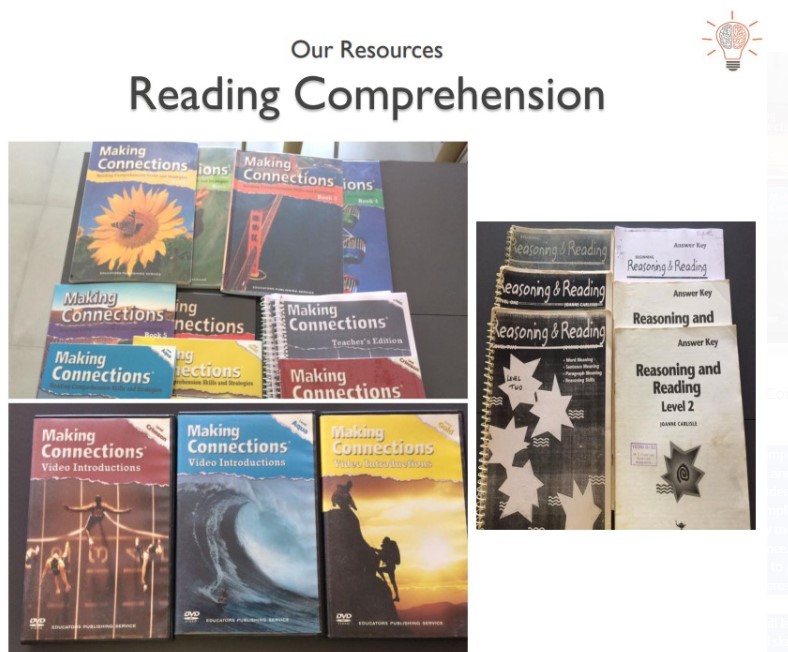
Reading is a foundational academic skill that involves two core components: decoding and comprehension.
Decoding refers to the ability to recognize letters, understand letter–sound relationships, and accurately blend sounds to read words with fluency. It enables a child to read words correctly and automatically.
Comprehension, on the other hand, involves understanding and making meaning from what is read. This includes grasping vocabulary, identifying main ideas, making inferences, sequencing events, and connecting the text to prior knowledge.
BVerve focuses on identifying and addressing the root causes of reading and comprehension difficulties, not just practising reading.
Our approach is:
Structured and sequential (sounds → words → meaning)
Language-rich, with strong focus on oral language and vocabulary
Individualised, based on each learner’s cognitive and academic profile
Brain-based and multisensory
Outcome-oriented, building independent readers and learners
BVerve supports children with SLD (dyslexia), ADHD, ASD, slow reading, and comprehension gaps, helping them read with confidence, understanding, and independence.
1 Building Paragraph Reading Fluency | Confidence and Expression through Practice at BVerve
Reading fluency means more than speed — it’s about accuracy, rhythm, and expression!
This video highlights activities designed to enhance processing speed, with a specific focus on selective attention and visual letter discrimination.
Our sessions focus on helping children become confident, smooth, and expressive readers through engaging, research-based strategies.
In this video, you’ll see:
Guided oral reading: modeling fluent reading with therapist support
Repeated reading: practicing short passages for accuracy and confidence
Phrase and chunk reading: learning to group words for natural flow
Reader’s theatre and storytelling: improving expression and comprehension
Fun games: tracking words, timing progress, and celebrating improvement
For parents: Learn simple ways to build your child’s fluency at home through daily reading, echo reading, and shared storytelling.
For educators & therapists: Observe structured techniques that combine phonics, rhythm, and prosody for effective fluency training.
We nurture readers who don’t just decode words — they read with confidence, clarity, and joy!
Reading fluency means more than speed — it’s about accuracy, rhythm, and expression!
This video highlights activities designed to enhance processing speed, with a specific focus on selective attention and visual letter discrimination.
Our sessions focus on helping children become confident, smooth, and expressive readers through engaging, research-based strategies.
In this video, you’ll see:
Guided oral reading: modeling fluent reading with therapist support
Repeated reading: practicing short passages for accuracy and confidence
Phrase and chunk reading: learning to group words for natural flow
Reader’s theatre and storytelling: improving expression and comprehension
Fun games: tracking words, timing progress, and celebrating improvement
For parents: Learn simple ways to build your child’s fluency at home through daily reading, echo reading, and shared storytelling.
For educators & therapists: Observe structured techniques that combine phonics, rhythm, and prosody for effective fluency training.
We nurture readers who don’t just decode words — they read with confidence, clarity, and joy!
2 Building Sentence Reading Comprehension Skills | Interactive Learning at BVerve
Reading is more than decoding words — it’s about understanding, thinking, and connecting!
Our therapists use interactive and multisensory strategies to help children develop reading comprehension — the ability to make sense of what they read and relate it to their world.
In this video, you’ll see:
Story-based discussions: talking about characters, settings, and main ideas
Prediction and inference games: encouraging children to think beyond the text
Visual supports: sequencing pictures, story maps, and graphic organizers
Question-answer sessions: building vocabulary and sentence understanding
Hands-on learning: dramatizing stories and using role play for deeper connection
For parents: Discover how asking simple questions and using visuals can strengthen your child’s understanding and confidence.
For educators & therapists: Observe how structured comprehension strategies enhance engagement, critical thinking, and expressive language.
We make reading meaningful — helping every child not just read words, but truly understand stories!
Reading is more than decoding words — it’s about understanding, thinking, and connecting!
Our therapists use interactive and multisensory strategies to help children develop reading comprehension — the ability to make sense of what they read and relate it to their world.
In this video, you’ll see:
Story-based discussions: talking about characters, settings, and main ideas
Prediction and inference games: encouraging children to think beyond the text
Visual supports: sequencing pictures, story maps, and graphic organizers
Question-answer sessions: building vocabulary and sentence understanding
Hands-on learning: dramatizing stories and using role play for deeper connection
For parents: Discover how asking simple questions and using visuals can strengthen your child’s understanding and confidence.
For educators & therapists: Observe how structured comprehension strategies enhance engagement, critical thinking, and expressive language.
We make reading meaningful — helping every child not just read words, but truly understand stories!
3 Learning Word Reading | Fun and Effective Reading Strategies
Learning to read words is an exciting, multisensory journey!
Our therapists use different strategies to help children connect sounds, letters, and meaning — building strong reading foundations through play and practice.
In this video, you’ll see:
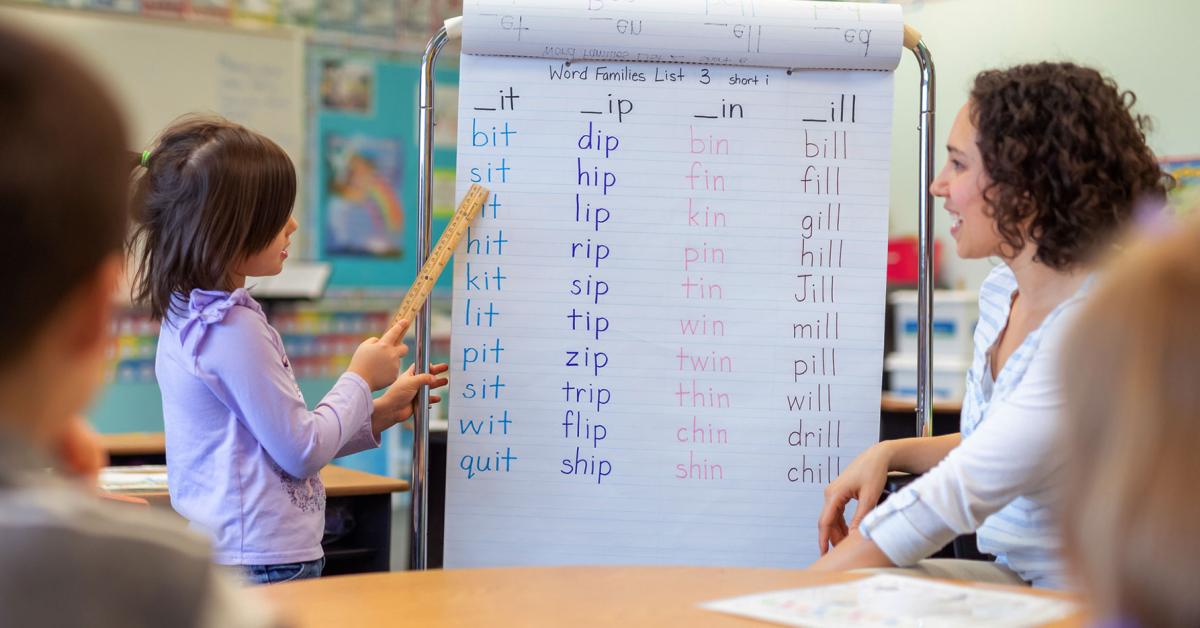
Phonics-based reading: blending and segmenting letter sounds
Auditory strategies: listening to and repeating word patterns
Kinesthetic learning: tracing, tapping, and movement-based word reading
Visual strategies: sight word games, flashcards, and picture cues
Comprehension support: using context and meaning to recognize words
For parents: See how reading can be made engaging and achievable at home through multisensory practice.
For educators and therapists: Observe structured word reading strategies suitable for early learners and children with reading challenges.
We turn reading into a joyful experience — helping every child build confidence, fluency, and love for words!
Learning to read words is an exciting, multisensory journey!
Our therapists use different strategies to help children connect sounds, letters, and meaning — building strong reading foundations through play and practice.
In this video, you’ll see:
Phonics-based reading: blending and segmenting letter sounds
Auditory strategies: listening to and repeating word patterns
Kinesthetic learning: tracing, tapping, and movement-based word reading
Visual strategies: sight word games, flashcards, and picture cues
Comprehension support: using context and meaning to recognize words
For parents: See how reading can be made engaging and achievable at home through multisensory practice.
For educators and therapists: Observe structured word reading strategies suitable for early learners and children with reading challenges.
We turn reading into a joyful experience — helping every child build confidence, fluency, and love for words!
4 Building Phonemic Awareness | Early Reading Skills in Action
Phonemic awareness is the ability to hear, identify, and manipulate individual sounds (phonemes) in spoken words. It’s a vital pre-reading skill that supports decoding, spelling, and fluent reading.
In this video, you’ll see:
Listening games: identifying beginning, middle, and ending sounds
Sound manipulation activities: blending and segmenting sounds to form words
Rhyming and alliteration: developing auditory discrimination through fun songs and poems
Kinesthetic learning: tapping, clapping, and moving to sounds
Playful reinforcement: using visuals and hands-on tools to strengthen auditory memory
For parents: Learn how to build early reading readiness through simple sound games and daily listening activities at home.
For educators & therapists: Observe structured phonemic awareness strategies that support struggling readers, children with dyslexia, and early learners.
We bring sound to life — helping children listen, blend, and build a strong foundation for reading success!
Phonemic awareness is the ability to hear, identify, and manipulate individual sounds (phonemes) in spoken words. It’s a vital pre-reading skill that supports decoding, spelling, and fluent reading.
In this video, you’ll see:
Listening games: identifying beginning, middle, and ending sounds
Sound manipulation activities: blending and segmenting sounds to form words
Rhyming and alliteration: developing auditory discrimination through fun songs and poems
Kinesthetic learning: tapping, clapping, and moving to sounds
Playful reinforcement: using visuals and hands-on tools to strengthen auditory memory
For parents: Learn how to build early reading readiness through simple sound games and daily listening activities at home.
For educators & therapists: Observe structured phonemic awareness strategies that support struggling readers, children with dyslexia, and early learners.
We bring sound to life — helping children listen, blend, and build a strong foundation for reading success!
5 Learning Letter–Sound Association | Phonics in Action at BVerve
Children discover the magic of reading by learning how letters and sounds connect!
Our therapists use phonics-based, multisensory activities to help children recognize letter sounds, blend them into words, and build early reading confidence.
In this video, you’ll see:
Sound discovery: saying and identifying letter sounds through fun games
Tactile learning: tracing letters in sand, clay, or textured surfaces
Visual aids: matching letters to pictures and sound cards
Phonics blending: combining sounds to form simple words
Play-based learning: songs, stories, and interactive materials that make phonics fun
For parents: Discover how you can reinforce letter-sound learning at home using simple, multisensory techniques.
For educators & therapists: Observe structured phonics strategies that strengthen auditory discrimination, memory, and early decoding skills.
We make phonics come alive — helping every child connect sounds to letters with joy and confidence!
Children discover the magic of reading by learning how letters and sounds connect!
Our therapists use phonics-based, multisensory activities to help children recognize letter sounds, blend them into words, and build early reading confidence.
In this video, you’ll see:
Sound discovery: saying and identifying letter sounds through fun games
Tactile learning: tracing letters in sand, clay, or textured surfaces
Visual aids: matching letters to pictures and sound cards
Phonics blending: combining sounds to form simple words
Play-based learning: songs, stories, and interactive materials that make phonics fun
For parents: Discover how you can reinforce letter-sound learning at home using simple, multisensory techniques.
For educators & therapists: Observe structured phonics strategies that strengthen auditory discrimination, memory, and early decoding skills.
We make phonics come alive — helping every child connect sounds to letters with joy and confidence!
6 Sight Words
This video showcases a multistep sight word activity where children first trace the target word to
build familiarity and correct formation, and then search for the same word among multiple words
to strengthen recognition and recall.
This combination of tracing and searching helps children move from
guided practice to
independent word identification, building confidence and fluency in reading.
In this video, you’ll see:
Tracing sight words for correct formation and reinforcement
Searching and identifying target words among similar words
Strengthening visual scanning and attention to detail
Improving memory and word recall
Building reading fluency and automatic recognition
This video showcases a multistep sight word activity where children first trace the target word to
build familiarity and correct formation, and then search for the same word among multiple words
to strengthen recognition and recall.
This combination of tracing and searching helps children move from
guided practice to
independent word identification, building confidence and fluency in reading.
In this video, you’ll see:
Tracing sight words for correct formation and reinforcement
Searching and identifying target words among similar words
Strengthening visual scanning and attention to detail
Improving memory and word recall
Building reading fluency and automatic recognition