
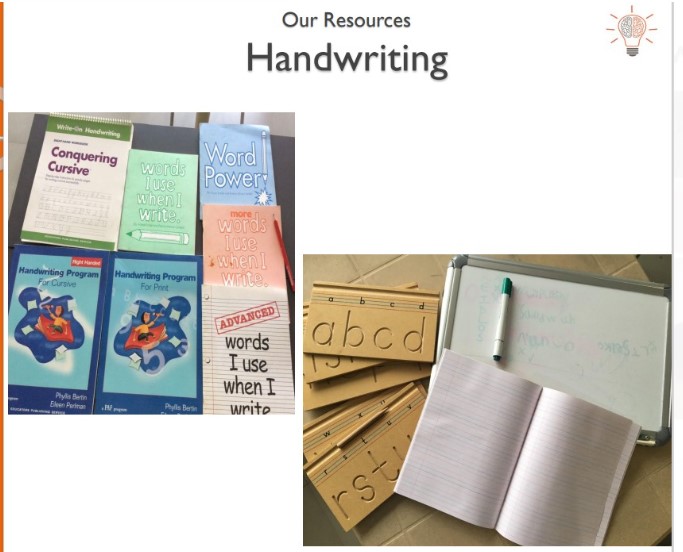
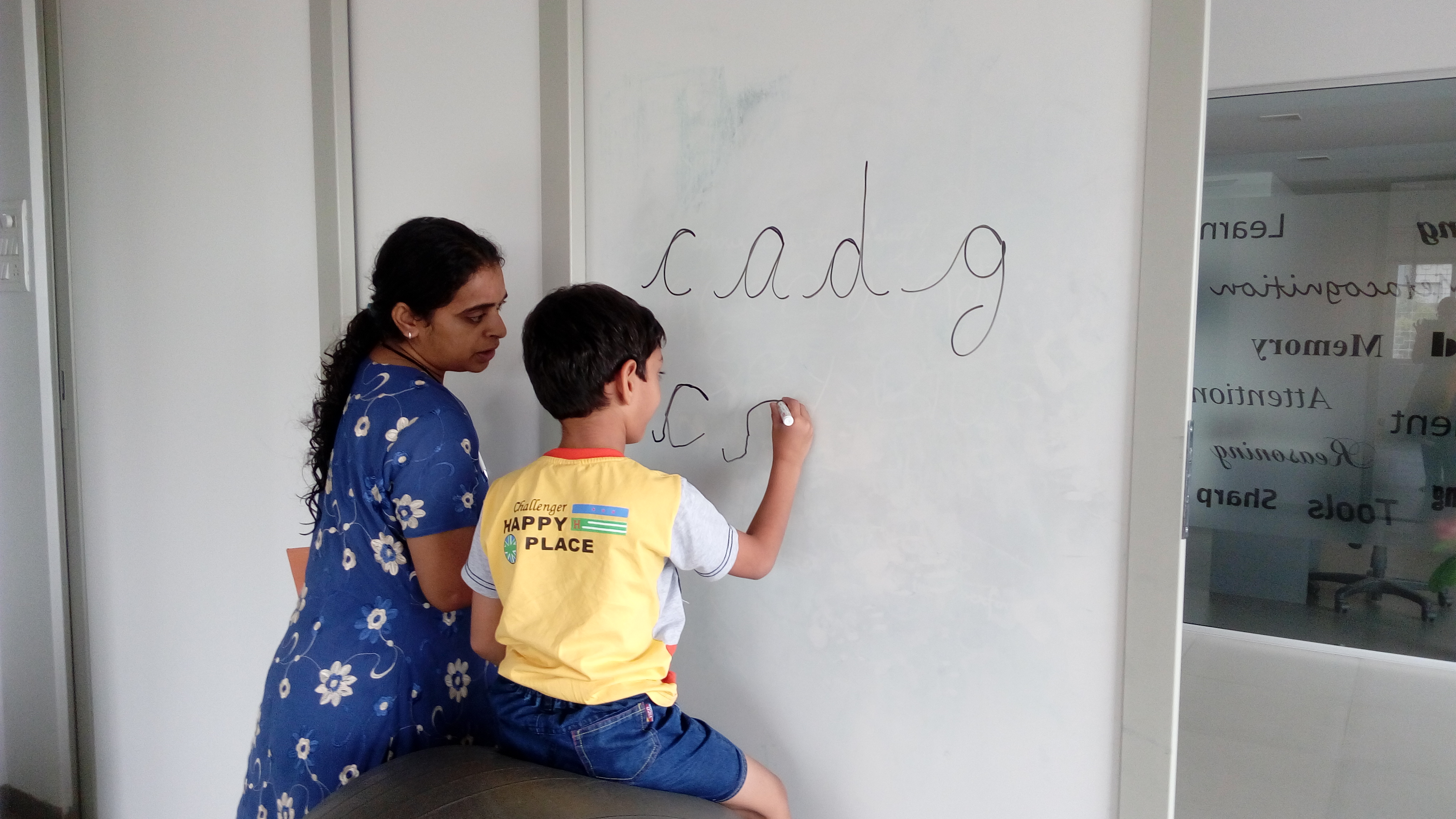
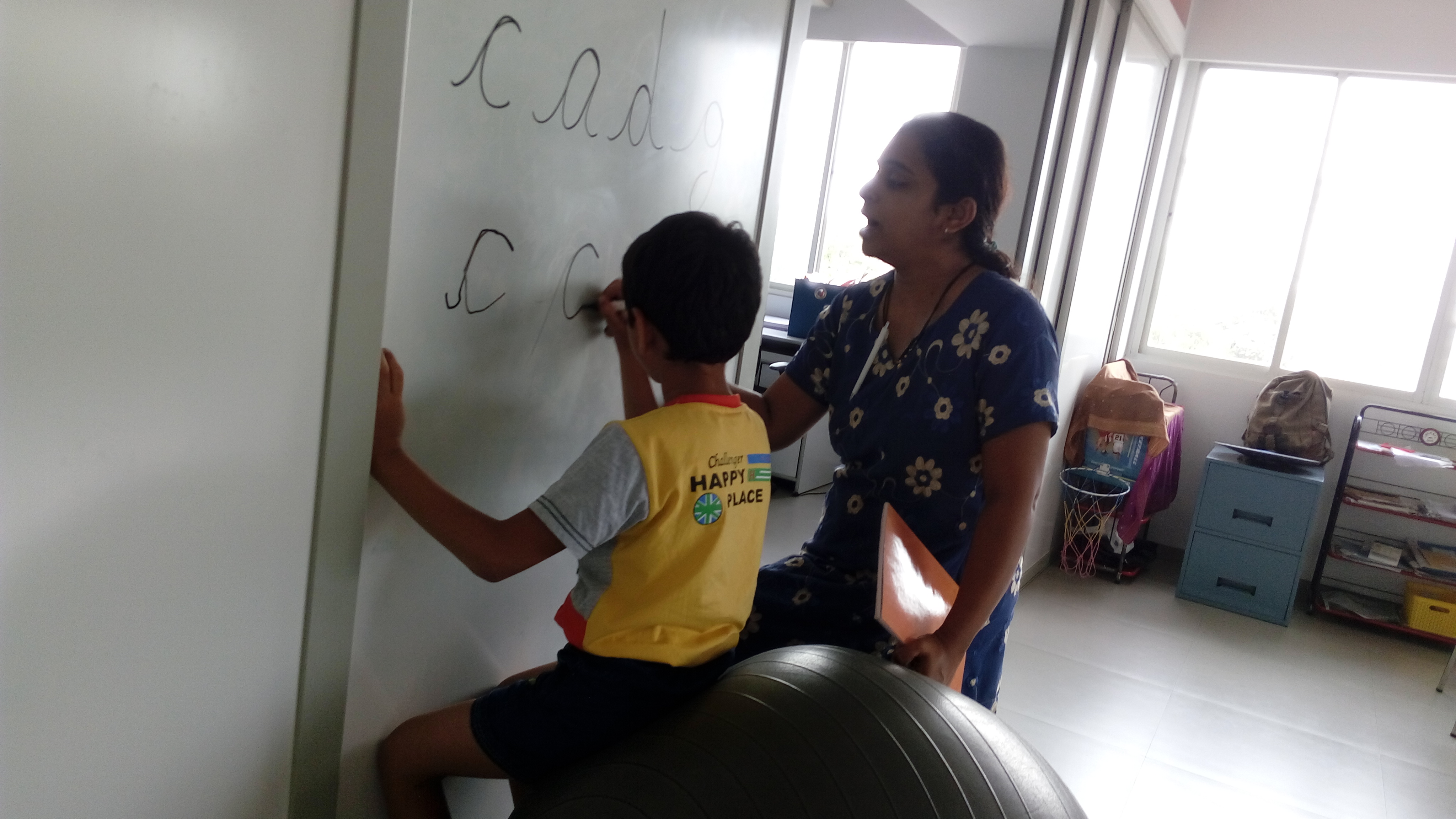
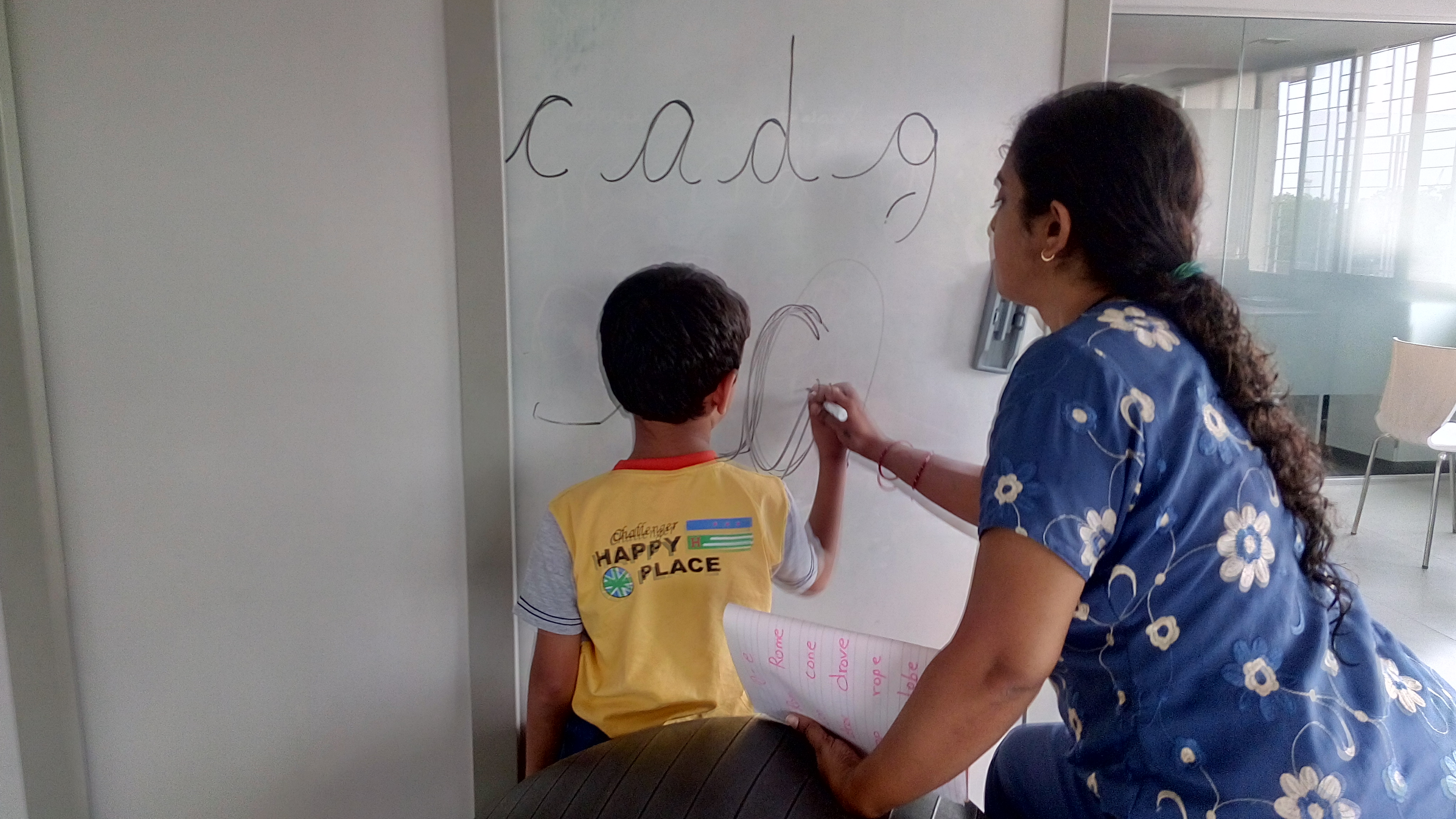
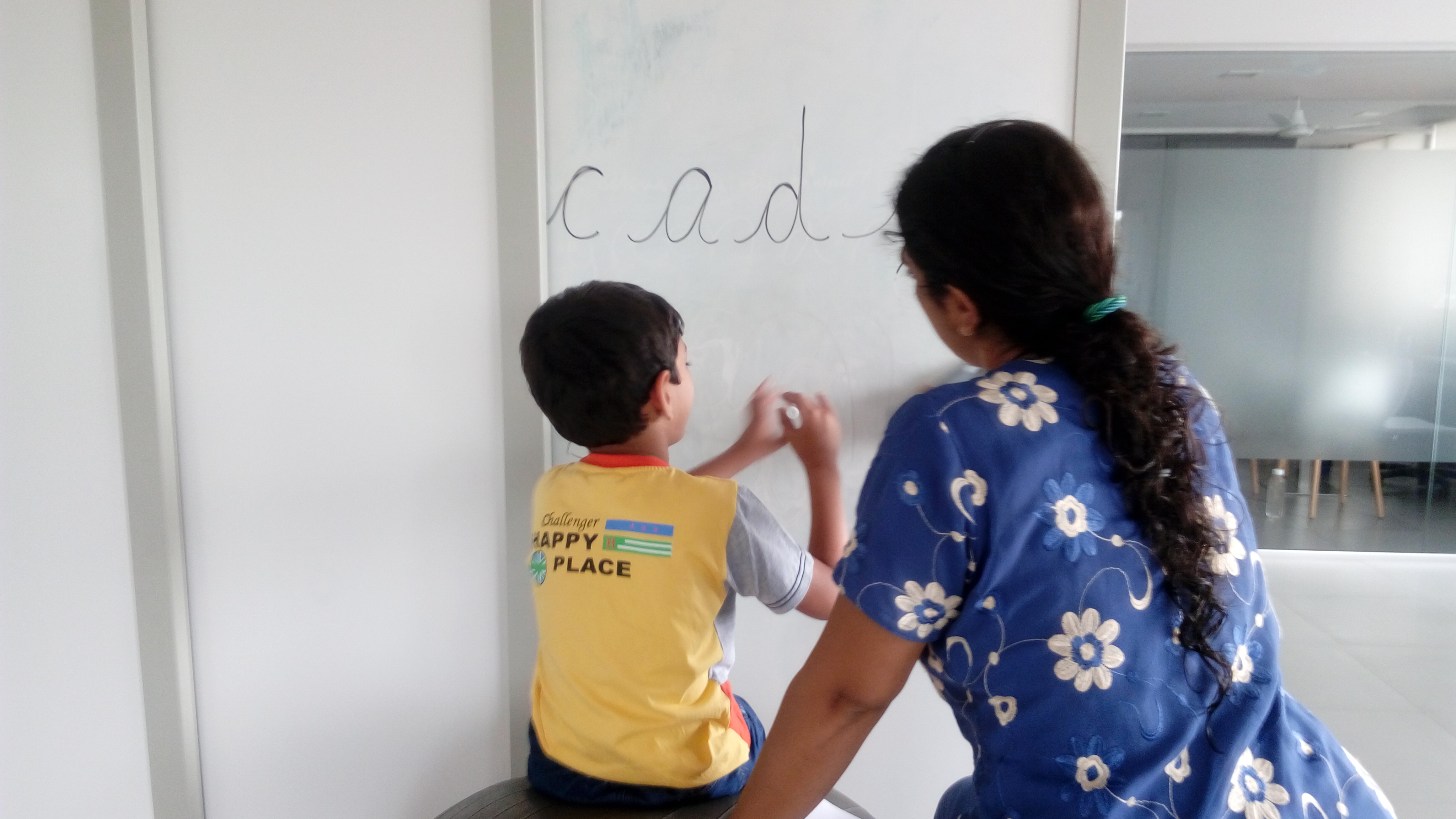
Children explore how each letter is formed through guided practice, play-based activities, and multisensory learning. Our focus is on helping children develop clarity, control, and confidence in their handwriting.
In this video, you’ll see:
- Tracing and pattern work — understanding stroke direction and sequence
- Air writing and sand writing — using movement and touch to reinforce memory
- Reader’s theatre and storytelling: improving expression and comprehension
- Creative letter play — forming letters with clay, color, and craft
- Step-by-step practice — moving from large to small writing for better precision
- Reinforcement activities — using workbooks and guided writing sheets for mastery
For parents: Simple, playful ways to help your child form letters correctly at home.
For educators: Effective classroom strategies to teach letter formation using visual and kinesthetic methods.
We make handwriting fun and meaningful — helping every child learn to write with confidence, one letter at a time!